Cocktail Garnish Tools Guide for Busy Bars

A clean citrus twist, a precise cucumber ribbon or a properly expressed orange peel can make a standard serve feel considered. This cocktail garnish tools guide is for operators who need that finish to be repeatable across a full service, not just achievable during a quiet pre-shift prep.
Garnish equipment is often purchased piecemeal, then stored wherever there is space. That can lead to inconsistent cuts, bruised herbs, slower builds and unnecessary waste. A better approach is to specify a compact, durable toolkit around the drinks on your menu, the volume of service and the space available behind the bar.
Start with the cocktail garnish tools your menu requires
The right kit depends on the garnish styles you actually serve. A high-volume pub bar producing gin and tonics, spritzes and classic mixed drinks will have different needs from a hotel cocktail bar preparing intricate seasonal signatures. Buying every specialist tool can clutter the station; under-specifying leaves bartenders improvising with unsuitable knives and peelers.
For most commercial bars, the following tools form a reliable working foundation:
- A sharp paring knife for segmenting citrus, trimming fruit and cutting neat wedges.
- A Y-peeler for broad lemon, orange and grapefruit peels, plus long cucumber ribbons.
- A channel knife for fine citrus spirals and decorative strips.
- A fine zester for zest, grated nutmeg and small amounts of aromatic citrus oil.
- Bar tongs for placing cherries, olives, berries, herbs and dehydrated fruit without handling them directly.
- A stable chopping board with a separate, clearly managed prep surface for fruit and garnish work.
This is not a case for buying the cheapest version of each item. The bar team will use these tools repeatedly, often at speed and with wet hands. Comfortable handles, corrosion-resistant stainless steel and blades that retain an edge make a material difference to output and safety.
Peelers and channel knives: choose the finish first
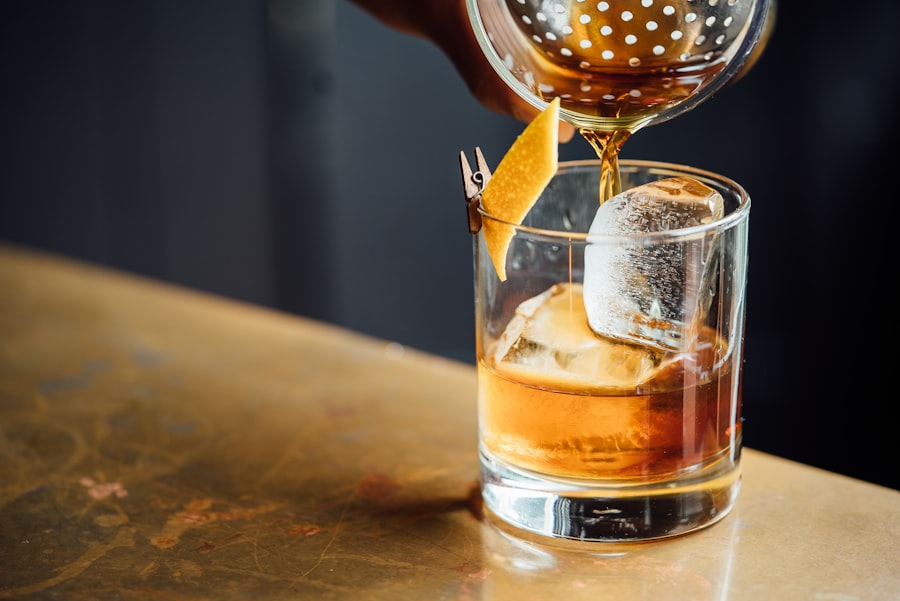
A Y-peeler is generally the most versatile option. It produces a broad peel that can be trimmed into a clean rectangle, curled around a bar spoon or expressed over the glass. For an Old Fashioned, Negroni or Martini variation, that broad strip gives the bartender enough surface area to release citrus oils properly.
A channel knife creates a narrower, more decorative result. It earns its place where your menu calls for long twists, spirals or consistent fine strips. However, it is less useful for everyday fruit preparation. If budget or drawer space is limited, specify a quality peeler first and add a channel knife only where it supports defined serves.
Zesters deserve similar scrutiny. Fine zest is effective over Espresso Martinis, Brambles and dessert-led cocktails, but it should be used with control. Excess zest can look untidy, shed into the drink and slow the pass. Keep it for recipes where aroma and texture are intentional rather than decorative afterthoughts.
Knife standards matter behind a commercial bar
A blunt knife is slower, less accurate and more likely to slip. Bars do not need a large chef’s knife block, but they do need one or two properly maintained paring knives sized for close fruit work. A short blade gives better control when cutting wheels, halving berries or making a neat slit in a citrus wedge.
Consider whether your operation has a defined sharpening routine. If not, keeping a small number of quality knives in rotation is more practical than stocking numerous low-cost alternatives. Blade guards or a dedicated storage location also protect staff and prevent knives being left loose in an ice well or garnish tray.
Separate boards are equally important. Fruit, herbs and edible flowers should not share a surface with food prep unless your cleaning procedures allow for it. A colour-coded board policy helps where multiple teams share a kitchen and bar prep area. Non-slip boards are particularly useful during a busy Saturday service, when fast cutting cannot come at the expense of control.
Tongs, picks and the final placement
The final few seconds of a serve are where presentation can either hold together or unravel. Tongs allow bartenders to place a garnish accurately, avoid fingerprints on glassware and reduce direct hand contact with ready-to-serve ingredients. Choose a length that suits your garnish vessels and glass shapes: overly long tongs can be awkward in a compact cocktail station, while very short versions may put hands too close to the rim.
Cocktail picks should suit both the drink and the venue’s service model. Reusable stainless steel picks present well in premium settings but require a clear return, wash and replacement process. Disposable bamboo picks can be appropriate for high-volume functions, outdoor areas or drinks served with several components. They need to be smooth, food-safe and consistently sized so the garnish sits at the intended height.
Avoid using a pick solely to make a simple garnish appear elaborate. It should hold olives, onions, berries or folded peel securely without making the guest work around an awkward skewer.
Build a garnish station for speed and freshness
The tools are only half the specification. Their position at the bar dictates whether they support service. Keep the peeler, paring knife, tongs and board within one natural movement of the bartender’s main build area. Tools stored in a distant drawer tend to be replaced with shortcuts, and shortcuts usually show in the glass.
Prepped garnish should sit in covered, food-safe containers that make stock level and condition visible at a glance. Citrus wheels dry out, cucumber softens and herbs lose their shape quickly under heat or bar lighting. Small, frequent replenishment is often better than preparing a large quantity early in the day, particularly for premium serves where freshness is visible.
For busy venues, divide work between opening prep and service prep. Opening teams can wash fruit, de-stem herbs, prepare dehydrated stock and set up labelled containers. The service team should retain enough whole fruit and tools to cut fresh twists, wedges and ribbons when the recipe demands it. This reduces waste while protecting the appearance and aroma of the drink.
Hygiene, storage and replacement planning
Garnish tools come into direct contact with ready-to-eat ingredients, so cleaning cannot be an afterthought. Establish a clear wash, sanitise, dry and store routine at the end of every shift. Pay close attention to the teeth of zesters, the cutting channel of peelers and the hinges of tongs, where residue can build up.
A simple replacement policy prevents the kit deteriorating unnoticed. Inspect blades for dullness or damage, peelers for loose heads, boards for deep scoring and tongs for reduced tension. Replace items before they affect consistency. The purchase cost of a peeler or paring knife is modest compared with the cumulative cost of wasted fruit, delayed drinks and an inconsistent guest-facing serve.
It is also worth holding a small back-up quantity of high-use tools. A single missing peeler should not leave a full bar team unable to prepare the garnish required for a house cocktail. For multi-site groups, standardising the chosen tool types makes training, reordering and service checks considerably easier.
Specify tools alongside glassware and garnish style
Garnish design should complement the glass, not compete with it. A large dehydrated wheel may suit a balloon glass or stemmed spritz serve, while a fine lemon twist is more proportionate on a Nick and Nora or small coupe. Before committing to a garnish format, test the complete serve with the actual glassware, ice profile and beverage measure.
This is especially useful for new menus and refurbishments. Samples and a short service trial can reveal whether a chosen pick catches on the rim, whether a wide peel blocks the guest’s first sip, or whether the garnish looks lost in an oversized vessel. Bentons can support considered table and bar specification where presentation, durability and replenishment all need to work together.
Buying priorities for hospitality operators
When sourcing garnish tools, focus on the items that will be used every day rather than novelty equipment with a narrow purpose. Stainless steel construction, reliable grip, dishwasher suitability where appropriate and easy replacement should lead the decision. For knives, safe storage and blade maintenance matter as much as the initial purchase.
Match quantities to service points rather than headcount alone. A bar with two active cocktail wells may need two complete tool sets, plus reserve items for prep and wash-up rotation. Event operations may need additional tongs and boards to avoid bottlenecks when several temporary bars are open at once.
A garnish is a small component of a drink, but it is one of the clearest signs of bar discipline. Select tools that make the correct finish easy to produce, keep them sharp and accessible, and give the team a station that supports fresh, controlled work throughout service.

Joshua Benton | Hospitality digital marketer with 20 years of experience, supporting the family business by connecting restaurants, pubs, and hotels to premier tableware, glassware, and cutlery.
Joshua Benton
Joshua Benton | Hospitality digital marketer with 20 years of experience, supporting the family business by connecting restaurants, pubs, and hotels to premier tableware, glassware, and cutlery.


